
How to Ask Stronger Questions, Recognize Possible Bias, Document Concerns, and Protect the Patient’s Voice
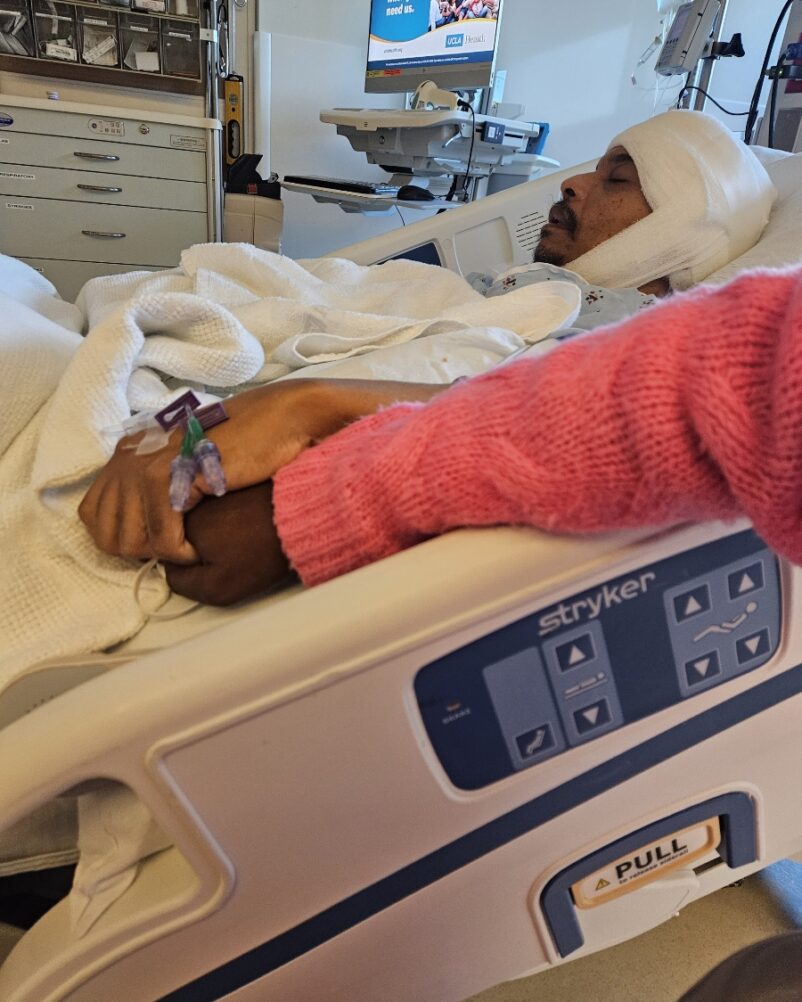
A medical crisis can turn a Black woman into the family advocate before she understands the diagnosis, the healthcare system, or the decisions ahead.
Suddenly, you are tracking medications, listening for changes, coordinating appointments, researching unfamiliar terms, completing forms, managing relatives, and trying to determine whether every member of the care team has the same information.
You may also be asking a second set of questions:
Are they listening?
Do they believe the patient’s pain?
Are they responding to the change in condition with enough urgency?
Is my firmness helping, or has my tone become the focus?
Would this concern receive a different response if another family were standing here?
I learned that medical advocacy rarely comes down to one dramatic confrontation. It is usually a series of questions, notes, follow-up calls, medication checks, and decisions made while everyone involved is tired.
For Black women, that work often includes navigating the possibility that race, gender, disability, body size, insurance status, income, or assumptions about the family may influence how concerns are received.
The role may arrive without training.
The responsibility still matters.
Black Families Often Advocate From a Different Starting Point
Every family advocate benefits from preparation.
Black families frequently need preparation and a strategy for overcoming bias.
The concern is grounded in documented experience. The Centers for Disease Control and Prevention reports that one in three Black adults says they have personally experienced racial discrimination while visiting a doctor. Some report avoiding medical care because of those experiences.
The National Academies concluded that unequal treatment remains present in American healthcare more than 20 years after its landmark 2003 report on racial and ethnic disparities. Its updated work found that healthcare inequities continue across access, quality, safety, communication, and outcomes.
That reality creates an unfair calculation for Black women:
How firm can I be before I am labeled aggressive?
How calm can I remain before my concern receives too little urgency?
How many times should I repeat myself before someone acts?
How do I protect my loved one while maintaining a workable relationship with the people controlling the next decision?
Black women are often expected to remain calm enough to avoid a stereotype, firm enough to prevent dismissal, informed enough to challenge an incomplete answer, and restrained enough to keep the conversation from shifting toward our behavior.
That is labor too.
Advocacy Supports Care, but It Cannot Carry the Entire Burden
Black patients are often advised to arrive informed, ask questions, bring an advocate, choose a strong hospital, and speak up.
Those steps matter.
They also have limits.
A patient or family cannot personally correct every structural failure, staffing problem, communication breakdown, biased assumption, or unequal clinical decision. The healthcare system remains responsible for delivering safe, equitable care.
Preparation improves the family’s ability to observe, question, document, and escalate.
It does not make the family responsible for preventing discrimination.
When Fame, Education, and Expertise Still Fail to Protect Us
High-profile cases reveal that money, public recognition, professional credentials, and access to respected medical institutions provide incomplete protection.
Serena Williams Knew Her Medical History and Still Had to Insist
After delivering her daughter by emergency cesarean section in 2017, Serena Williams developed shortness of breath. Williams had previously experienced blood clots and recognized the possibility of another pulmonary embolism.
She requested a CT scan with contrast and blood-thinning medication. According to her account, a nurse initially suggested that pain medication might be making her confused. Williams continued pressing for an evaluation. The scan ultimately revealed several small blood clots in her lungs.
Williams was one of the world’s most accomplished athletes. She understood her medical history. She named the specific emergency she feared.
She still had to insist.
Her experience demonstrates why an advocate should take a sudden change seriously, especially when the patient recognizes symptoms from a previous medical event.
Dr. Susan Moore Spoke the Language of Medicine
Dr. Susan Moore was a Black physician hospitalized with COVID-19 in Indiana in 2020.
From her hospital bed, Moore recorded a video describing concerns about pain treatment, imaging, medication, and whether her condition was receiving adequate attention. She said she felt dismissed and treated as though she were seeking drugs, despite being a physician herself.
Moore later died following additional hospitalization for complications of COVID-19. Her reports of unequal treatment became a national discussion about racism in medicine. Because her allegations were her account of the care she received, they should be described as such rather than presented as a legal finding.
Her medical degree gave her clinical vocabulary.
It did not guarantee that her pain and judgment would receive full respect.
Kira Johnson’s Husband Repeatedly Raised Concerns
Kira Dixon Johnson was a healthy entrepreneur and mother who died after delivering her second son by cesarean section at Cedars-Sinai Medical Center in Los Angeles.
Her husband, Charles Johnson IV, testified before Congress that he repeatedly raised concerns after seeing blood in her catheter. According to his testimony, hours passed before she was taken into surgery. Surgeons discovered massive internal bleeding, and Kira died.
Her case shows why advocates must describe visible changes, record when concerns were reported, request reassessment, and escalate when the response fails to match the seriousness of the condition.
It also shows the limitation of advocacy.
Kira had someone beside her asking for help.
The presence of an advocate did not guarantee a timely response.
Dr. Shalon Irving Studied Health Inequity
Dr. Shalon Irving was a CDC epidemiologist whose work focused on how structural inequality, trauma, and limited health options affect people’s health.
Following childbirth, she experienced worsening symptoms and sought medical care several times. She died three weeks after delivery from complications associated with high blood pressure. Her death became a prominent example of Black maternal mortality because she had advanced education, health insurance, family support, and professional expertise in public health.
Her story challenges the belief that education, income, insurance, or responsible help-seeking can fully protect a Black woman from unequal outcomes.
The Maternal Health Numbers Are Stark
The disparities extend far beyond individual cases.
The CDC reports that Black women are approximately three times as likely as White women to die from a pregnancy-related cause.
The latest finalized CDC maternal-mortality data available for 2024 reported:
- 44.8 deaths per 100,000 live births among Black women
- A significantly lower rate among White women
Earlier CDC research found that among women with a college education or higher, the pregnancy-related mortality rate for Black women was 5.2 times the rate for similarly educated White women.
Education did not erase the disparity.
The CDC also found that approximately:
- 30% of Black mothers reported mistreatment during maternity care
- 40% of Black, Hispanic, and multiracial mothers reported discrimination
- 45% of all surveyed mothers held back from asking questions or discussing concerns with their provider
Holding back can feel safer in the moment.
It can also leave an important concern unspoken.
Advocacy Begins With the Patient
Before taking the lead in a medical conversation, determine what the patient wants.
Ask:
- What concerns do you want addressed?
- What information may I share?
- Would you like me to take notes, ask questions, or speak for you?
- Who should receive updates?
- Which decisions would you prefer to make privately?
- What matters most to you right now?
Whenever the patient can participate, their preferences should guide the advocate’s role.
Your role is to strengthen the patient’s voice, preserve accurate information, and help the family understand what happens next.
Medical expertise matters.
So do the patient’s goals, responsibilities, finances, tolerance for risk, cultural concerns, transportation options, home environment, and ability to follow the plan.
A medically appropriate treatment still has to function beyond the examination room.
Start With a One-Page Medical Brief
Medical appointments move quickly.
Important information can disappear inside a long explanation, especially when the family is stressed.
Create a one-page reference sheet before the appointment.
Patient Information
Include:
- Full legal name
- Date of birth
- Allergies
- Relevant diagnoses
- Previous major medical events
- Current specialists
- Preferred pharmacy
- Emergency contact
Current Medications
For every medication, record:
- Name
- Dosage
- Schedule
- Reason prescribed
- Prescribing clinician
- Recent changes
- Side effects or concerns
Include prescription medication, over-the-counter products, vitamins, supplements, teas, and herbal products.
Three Primary Concerns
Place the most important concerns first.
For example:
- New weakness beginning Tuesday
- Increased sleepiness after a medication change
- Difficulty scheduling the recommended follow-up
Recent Changes
Document:
- When the symptom started
- How frequently it occurs
- What changed before it started
- What makes it better or worse
- How it affects daily function
- Relevant readings, logs, photographs, or videos
Lead with the change.
A clinician should immediately understand what is different from the patient’s usual condition.
Ask Questions That Require Clinical Answers
Broad questions often produce broad responses.
Specific questions require the clinician to explain the reasoning behind the plan.
Questions About the Diagnosis
Ask:
- What diagnosis are you considering?
- What evidence supports that diagnosis?
- Has it been confirmed?
- What remains uncertain?
- What other conditions could produce these symptoms?
- Which test results matter most?
- What would cause you to reconsider the diagnosis?
- Could another specialist provide useful input?
Questions About Tests
Ask:
- What are you looking for with this test?
- How will the result affect the treatment plan?
- What preparation is required?
- What are the risks or limitations?
- When should we expect the result?
- Who will review it with us?
- What happens if the result is normal?
- What happens if it is abnormal?
- How can we obtain a copy?
Questions About Medications
Ask:
- What is this medication intended to do?
- What dose should be taken and when?
- How soon should we expect an effect?
- Which side effects are common?
- Which side effects require a call?
- Which symptoms require emergency care?
- Could it interact with current medications or supplements?
- Is it replacing another medication?
- How long should the patient take it?
- What happens after a missed dose?
- Who should we contact before changing it?
Ask the clinician to clearly identify which medications should:
- Continue
- Stop
- Change
- Be taken only when needed
When Symptoms or Pain Are Minimized
Black patients have long reported that pain and symptoms receive less credibility or urgency.
One widely cited study found that some medical trainees held false beliefs about biological differences between Black and White people. Those beliefs were associated with lower pain ratings and less accurate treatment recommendations for Black patients.
The goal is to keep the conversation attached to observable facts.
Use language such as:
“This represents a clear change from her usual condition.”
“Her pain was a three yesterday. It is an eight today.”
“The medication has been given, and the symptom continues to worsen.”
“What clinical findings support the current conclusion?”
“What other causes have been considered?”
“What change would trigger additional testing or consultation?”
“Please document that I reported this symptom and requested further evaluation.”
Avoid spending the entire conversation proving that bias exists.
Bring the discussion back to the medical issue, the clinical criteria, and the requested action.
When You Suspect Bias Is Affecting Care
Bias is rarely announced.
It may appear through patterns:
- A sudden change receives little evaluation
- Pain is repeatedly minimized
- Questions receive vague or impatient responses
- The clinician speaks to someone else while ignoring the patient
- The family’s report is described as emotional rather than factual
- The patient is labeled noncompliant without discussion of barriers
- One explanation is accepted before other possibilities are explored
- The plan changes only after another professional repeats the same concern
- Security is mentioned during a firm but nonthreatening conversation
- The advocate’s tone receives more attention than the medical question
One interaction may have several explanations.
A repeated pattern deserves attention.
Use direct language:
“Please address the clinical concern separately from your assessment of my tone.”
“What objective findings support that conclusion?”
“What alternatives were considered?”
“Please explain the clinical basis for declining the test, referral, or consultation.”
“What criteria does the patient need to meet?”
“Would this recommendation be the same for another patient with the same symptoms and medical history?”
That last question should be delivered calmly.
The purpose is to require a defensible clinical explanation.
Watch the Words Entering the Medical Record
Certain labels can shape how future clinicians perceive a patient before meeting them.
Pay attention to words such as:
- Noncompliant
- Aggressive
- Uncooperative
- Drug-seeking
- Poor historian
- Refused treatment
- Left against medical advice
Sometimes those descriptions accurately document an event.
Sometimes they remove important context.
Ask:
“What specific behavior is being documented as noncompliant?”
“Please include the reason the patient could not follow that recommendation.”
“The patient declined this option after requesting clarification about the risks. Please include that context.”
“Please document the symptoms and clinical concern alongside your description of the interaction.”
The goal is an accurate record.
A flattering record serves little purpose.
An incomplete or prejudicial record can follow the patient into future care.
Ask for Plain Language
Medical terminology can make an informed family feel less capable than it is.
Use direct phrases:
- “Please explain that in everyday language.”
- “What does that mean for daily life?”
- “What is the primary concern?”
- “Which part is urgent?”
- “What decision needs to be made today?”
- “Can you show me where that appears in the results?”
- “Please spell the name of that condition.”
- “Can you write that down?”
- “I want to make sure I understand.”
Clarity is a safety tool.
Repeat the Plan Back
Before the conversation ends, explain the plan in your own words:
“Let me confirm that I understand. We will give this medication twice daily, call the office if the swelling increases, and seek emergency care if breathing changes. Is that correct?”
This method is called teach-back.
It gives the clinician an opportunity to correct misunderstandings before the patient leaves.
Use the Concern, Change, Request Method
When time is limited, organize the issue into three parts.
1. Concern
State the central issue.
“I am concerned about the increased confusion.”
2. Change
Describe what is different.
“Yesterday she was answering questions clearly. Today she is difficult to wake and cannot identify where she is.”
3. Request
Ask for a specific response.
“I would like her evaluated now, and I would like the change documented in her chart.”
This structure communicates urgency without requiring the clinician to sort through several minutes of background information first.
Respectful Persistence Is Part of the Role
Healthcare professionals manage heavy workloads, complex systems, staffing limitations, and several patients at once.
Families live with the consequences of missed information, delayed referrals, fragmented records, unresolved symptoms, and unclear instructions.
Respect and persistence can exist together.
Use language such as:
- “I understand the department is busy. We still need a clear next step.”
- “This represents a change from the patient’s usual condition.”
- “I want to make sure this concern is documented.”
- “Who has the authority to help resolve this?”
- “What is the escalation process?”
- “Please explain why the plan changed.”
- “We need a safe plan for tonight.”
- “I remain concerned because…”
A calm tone can strengthen the message.
Precision makes dismissal harder.
Know When to Escalate
Escalation should reflect the seriousness of the concern and the response received.
Possible steps include:
- Ask the current clinician to reassess the patient.
- Request the charge nurse, attending physician, or supervising clinician.
- Ask for the hospitalist, specialist, or another medical opinion.
- Contact patient relations or the patient-advocacy department.
- Ask about the facility’s rapid-response or safety-escalation process.
- Request an ethics consultation when treatment decisions remain in conflict.
- Use the formal grievance process.
- Request copies of the relevant medical records.
- Contact the appropriate licensing, accreditation, civil-rights, or regulatory body when warranted.
Use specific language:
“I am requesting escalation because the patient’s condition has changed and the current plan does not address that change.”
“Please tell me the name and role of the person responsible for reviewing this concern.”
“Please document the time I requested reassessment.”
Escalation is strongest when it is specific, factual, and tied to patient safety.
Before Discharge, Get a Complete Plan
Discharge is a transition in care.
Before leaving, ask:
- What diagnosis appears on the discharge record?
- What changed during this visit or admission?
- Which medications should be taken at home?
- Which medications should stop?
- Are any results still pending?
- Who will communicate those results?
- What symptoms should we monitor?
- Which symptoms require a routine call?
- Which symptoms require urgent care?
- Which symptoms require emergency services?
- What follow-up appointments are required?
- Who is responsible for each referral?
- What equipment or supplies are needed?
- What activity, diet, bathing, driving, or lifting restrictions apply?
- Who should we contact after hours?
- Can we receive the instructions in writing?
Then repeat the plan back.
Document the Conversation
Memory becomes less reliable during stress.
Record:
- Date and time
- Name and role of each clinician
- Symptoms reported
- Questions asked
- Answers given
- Medication changes
- Tests ordered
- Requests declined
- Referrals promised
- Follow-up deadlines
- Warning signs
- Unresolved concerns
After the appointment, send a portal message when appropriate:
Thank you for today’s appointment. My understanding is that the plan includes the following:
- Start ______ on ______.
- Stop ______.
- Schedule ______ within ______.
- Contact the office if ______ occurs.
- Seek emergency care if ______ occurs.
Please let me know whether any part of this summary needs correction.
This creates a written record and gives the care team an opportunity to clarify the plan.
Learn Who Owns Each Task
“Someone will call you” leaves too much unresolved.
Ask who handles:
- Medication refills
- Test results
- Referrals
- Insurance authorization
- Medical equipment
- Home health
- Rehabilitation
- Disability paperwork
- Work restrictions
- Transportation documentation
- Medical records
- After-hours concerns
Ask for:
- Name
- Department
- Direct number
- Expected response time
Then ask:
“When should I follow up if we have not heard from that department?”
Specific ownership reduces delays.
Advocacy Also Requires Restraint
Effective advocacy leaves room for the patient, the care team, and the facts.
Avoid:
- Speaking over the patient
- Withholding relevant information
- Demanding a specific diagnosis before evaluation
- Presenting internet research as conclusive proof
- Recording conversations without understanding applicable law and facility rules
- Beginning with threats
- Allowing several relatives to provide conflicting instructions
- Publishing private medical details during the crisis
- Making every disagreement about race before gathering the clinical facts
Choose one primary family contact whenever possible.
That person can:
- Collect updates
- Keep records
- Organize questions
- Coordinate family communication
- Follow up on unresolved tasks
A clear communication structure protects the patient and reduces confusion.
The Family Advocate Appointment Checklist
Before the Appointment
- Update the medication list.
- Write the three primary concerns.
- Prepare specific questions.
- Gather relevant records, readings, photographs, and logs.
- Confirm transportation and accessibility needs.
- Ask the patient what support they want.
- Bring a notebook or secure digital note.
- Identify the person who will speak for the family.
During the Appointment
- Introduce yourself and explain your role.
- Confirm the purpose of the visit.
- Lead with the most serious change.
- Record names, answers, and instructions.
- Ask for plain language.
- Ask what evidence supports the conclusion.
- Confirm medication changes.
- Ask who owns each next step.
- Repeat the plan back.
- Request documentation of unresolved concerns.
After the Appointment
- Review the written instructions.
- Update the medication list.
- Schedule follow-up care.
- Track pending tests and referrals.
- Send clarification questions through the portal.
- Share the plan with authorized relatives.
- Put every deadline on the calendar.
- Follow up when promised calls fail to arrive.
A Video Worth Watching
The Problem With Race-Based Medicine | Dorothy Roberts | TED
Race is often treated as a biological shortcut in medicine, even when the more accurate issues involve racism, environment, access, unequal treatment, and social conditions.
In this TED talk, legal scholar and social-justice advocate Dorothy Roberts explains how race-based assumptions can influence diagnosis and treatment. The talk has received approximately 1.7 million plays on TED.
Embed the video here
YouTube video ID:
KxLMjn4WPBY
You Do Not Have to Know Every Answer
Family advocacy can create pressure to become a nurse, pharmacist, case manager, insurance specialist, therapist, scheduler, medical researcher, and civil-rights strategist at the same time.
Your role is to:
- Observe
- Organize
- Ask
- Document
- Confirm
- Follow up
- Escalate when necessary
You need to recognize when an answer remains unclear, incomplete, inconsistent, unsupported, or disconnected from the patient’s reality.
You also need to trust the evidence in front of you.
A visible change matters.
A pattern matters.
A delayed response matters.
A dismissive label in the record matters.
A question left unanswered matters.
When a Black woman becomes the family medical advocate, she may be carrying the patient’s history, the family’s fear, the logistics of care, and the responsibility of making sure bias does not become a medical decision.
Use your voice with preparation.
Use it with precision.
Keep the conversation attached to the facts.
Keep the patient at the center.
Keep asking until the family understands what happens next.
Prepare Before the Pressure Begins
The Family Medical Advocate Appointment Kit is designed to help families organize information, prepare stronger questions, document possible bias, track responsibilities, and leave medical settings with a clearer plan.
The kit includes:
- One-page patient medical brief
- Medication record
- Symptom and change tracker
- Appointment question sheet
- Test-results tracker
- Discharge checklist
- Referral and follow-up tracker
- Concern, Change, Request worksheet
- Medical-contact directory
- Medical-record language review sheet
- Bias and unresolved-concern documentation page
- Notes and unanswered-questions page
[DOWNLOAD THE FAMILY MEDICAL ADVOCATE APPOINTMENT KIT]
Sources and Further Reading
- Centers for Disease Control and Prevention, Unfair and Unjust Practices and Conditions Harm African American People
- Centers for Disease Control and Prevention, Maternity Care Experiences, United States
- Centers for Disease Control and Prevention, Working Together to Reduce Black Maternal Mortality
- Centers for Disease Control and Prevention, Maternal Mortality Rates in the United States
- National Academies of Sciences, Engineering, and Medicine, Ending Unequal Treatment
- Serena Williams, postpartum complications interview, Vogue
- Congressional testimony of Charles Johnson IV
- ProPublica and NPR, reporting on Dr. Shalon Irving
- Medical and institutional commentary concerning Dr. Susan Moore
- Dorothy Roberts, The Problem With Race-Based Medicine
This blog post provides general educational information. It does not replace medical advice, diagnosis, legal advice, or treatment from qualified professionals. Call emergency services for urgent or life-threatening symptoms.


