Grown Woman Reinvention: Work, Income, and What Comes Next



Sometimes life changes the terms of your employment before you have time to prepare.
My husband experienced a major medical emergency in 2023. Suddenly, flexibility became essential. I needed room to support his healing, protect my own health as a breast cancer survivor, earn enough money for two people, and carry the weight of bills and responsibilities.
Work still mattered.
My life mattered more.
That season forced me to ask a question many grown women eventually face:
Does the life I built still support the life I need now?
If the answer has changed, you are allowed to change too.
You are allowed to reinvent yourself again.
Your Life May Need Something Different From You Now
You may have chosen your career when your body had different energy, your family needed less from you, your finances looked different, or your definition of success came from somebody else.
Then life added information.
You learned how much time your health requires. You became responsible for a parent, partner, child, or household. You reached a professional goal and realized the achievement gave you less satisfaction than you expected. You discovered that flexibility has financial value. You began wanting ownership, peace, travel, creativity, service, or time.
That information deserves a place in your decisions.
Reinvention begins when you tell the truth about what your life requires now.
For me, that means supporting my husband through his healing journey while prioritizing my own care in mind, body, and spirit. Holistic well-being requires work-life balance. My income plan has to respect that requirement.
A title may sound impressive while the schedule, physical demands, commute, stress, or responsibility drains the life you are working to support.
Your next move should fit the whole assignment.
A Job Makes Business Decisions. Your Life Is Personal.
Every workplace has operational needs. Positions change. Leaders change. Budgets change. Companies reorganize. Work moves forward through whoever fills the role next.
That is business.
Your life is personal to you.
You are responsible for protecting your health, keeping your skills current, paying your bills, preparing for change, and building choices for your future.
A company may value your contribution and still make the decision that serves the company. Your responsibility is to make decisions that serve your life.
That includes continuing to learn. It includes staying marketable. It includes understanding how your skills transfer. It includes building evidence of your value and preparing to pivot when your circumstances require it.
As discussed in Your Résumé Is Leaving Money on the Table, your job title captures one location where your experience has been used. Your accomplishments show what that experience can produce elsewhere.
The Age Discrimination in Employment Act protects workers age 40 and older from employment discrimination based on age. The law also reflects a practical reality: older workers may face disadvantages when retaining or regaining employment. Preparation matters. Your skills, relationships, credentials, evidence, and income options give you greater room to respond.
Bring Your Experience With You
Starting a new chapter allows you to carry the strongest parts of your earlier ones forward.
You bring:
- Judgment earned through difficult decisions
- Skills developed through repetition
- Relationships built through trust
- Evidence from problems you solved
- Knowledge of what works for you
- Clarity about the conditions that cost too much
- A stronger understanding of what matters
Those assets can move across jobs, industries, businesses, and income models.
Leadership can become consulting, training, facilitation, operations, or client service. Communication experience can become content, proposals, public outreach, employee communications, or UGC. Travel knowledge can become itineraries, destination content, accessible-travel reviews, or brand services.
The form can change while the value continues.
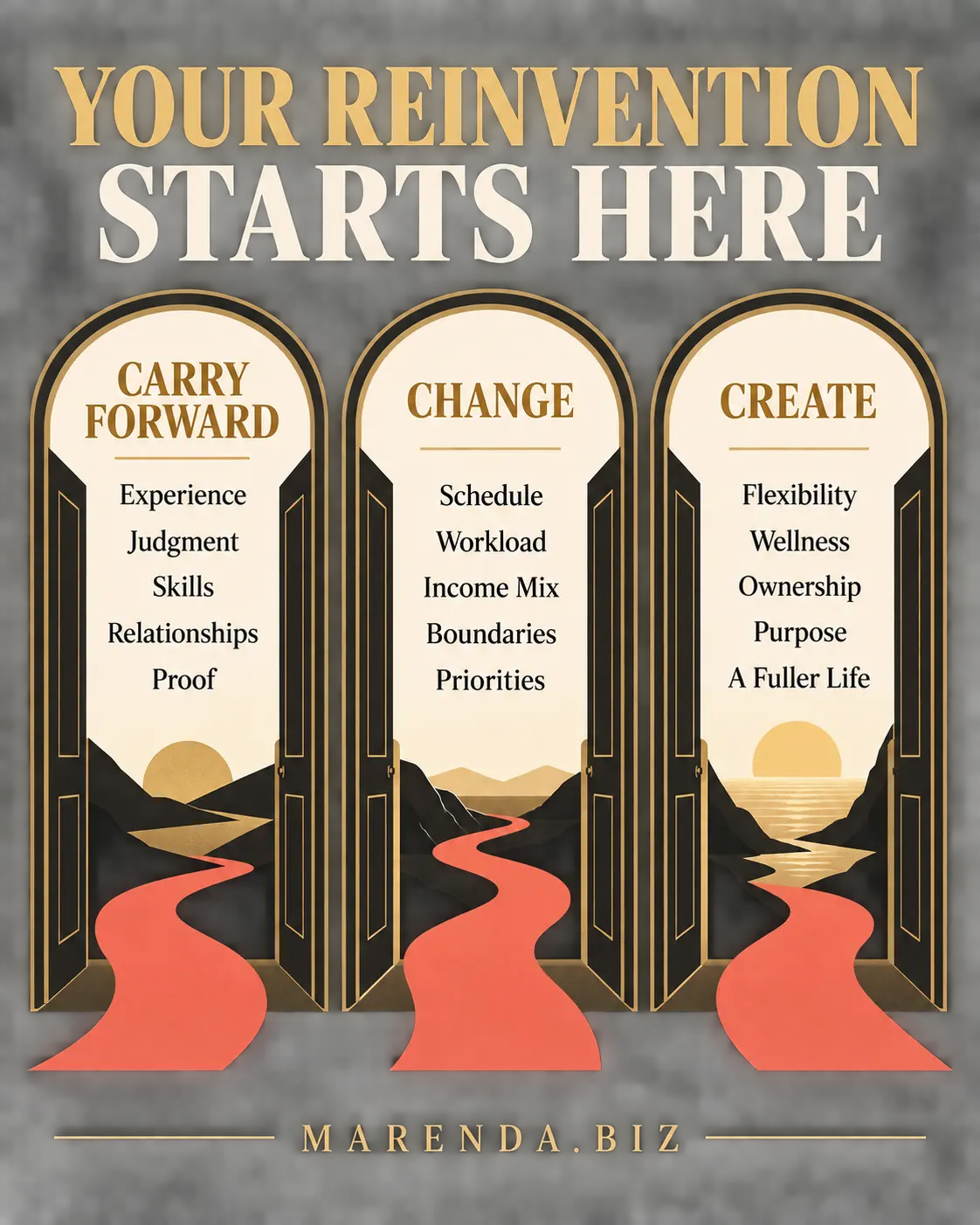
Use three columns to examine your next chapter:
Carry Forward
List the experience, skills, relationships, credentials, and parts of your work that still serve you.
Change
Identify the schedule, workload, income structure, expectations, boundaries, and conditions that need a different form.
Create
Write down what you want the next chapter to provide: flexibility, wellness, ownership, purpose, income, travel, creative expression, or a fuller life.
This exercise turns reinvention from an abstract desire into a set of requirements.
Separate Your Dream From Everybody Else’s Expectations
Grown women carry a long list of expectations.
Be dependable. Be grateful. Finish what you started. Protect the benefits. Keep the peace. Make the practical choice. Take care of everybody. Stay where people understand you.
Some expectations may still fit. Others may belong to an earlier version of your life.
Ask yourself:
- What would I pursue if prestige carried less weight?
- What kind of schedule would help my body and mind function well?
- What work would make useful use of my experience?
- Which responsibilities deserve protection?
- What have I wanted long enough to take seriously?
- What new dream keeps returning?
You can respect everything you have built and still choose a new direction.
It Is Still Your Turn
At 51, I completed my bachelor’s degree in business communication.
I am also relaunching the blog I started years ago.
These decisions connect my earlier experience to what I want next. The degree strengthens the education behind work I have already performed. The blog gives my ideas, research, experiences, and perspective a platform I own.
I am building while I continue working.
That matters because reinvention can happen in stages. You can protect current income while testing a service. You can complete a credential while working. You can build an audience one useful article at a time. You can gather proof before making a larger financial decision.
Your dream can mature with you.

It is still possible for a dream to come true. You can accomplish an unfinished goal. You can also dream something new.
Your age gives the dream context. Your decisions give it movement.
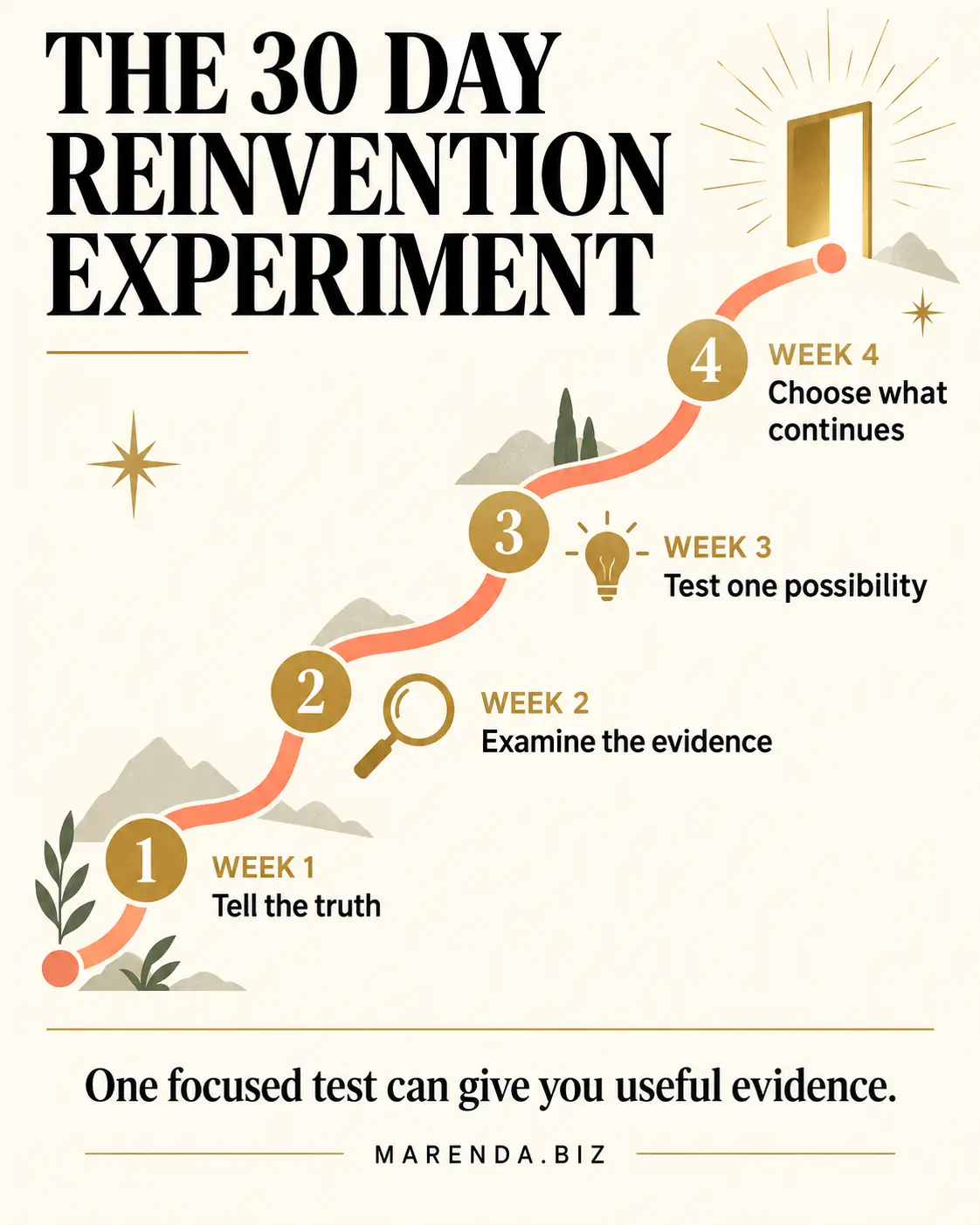
Choose a 30-Day Experiment
A life decision can feel overwhelming when you try to solve the entire future at once.
A focused experiment gives you evidence.
Week 1: Tell the Truth
Write what you want, what your life requires, and what has become too expensive in time, energy, health, or money.
Week 2: Examine the Evidence
Review your résumé, performance records, credentials, projects, relationships, and lived experience. Identify what can travel into another role or income source.
Week 3: Test One Possibility
Choose one action. Apply for three roles. Publish one article. Offer one service. Create one UGC sample. Interview three people in a field. Build one sales page. Complete one lesson.
Week 4: Choose What Continues
Review what you learned. Look for evidence of interest, energy, ability, demand, access, and fit. Then continue, adjust, or choose another focused test.
Write Your Permission in Your Own Words
Finish these sentences:
I am allowed to want __________.
I am ready to carry forward __________.
I am ready to change __________.
My next chapter needs to make room for __________.
During the next 30 days, I will test __________.
Permission becomes useful when it leads to a decision.
Watch: Life’s Third Act
In her TED talk, Jane Fonda examines how later life can become a period of reflection, possibility, and renewed meaning. Her idea of a third act supports the central question in this article: how will you use the years ahead?
Your Next Move
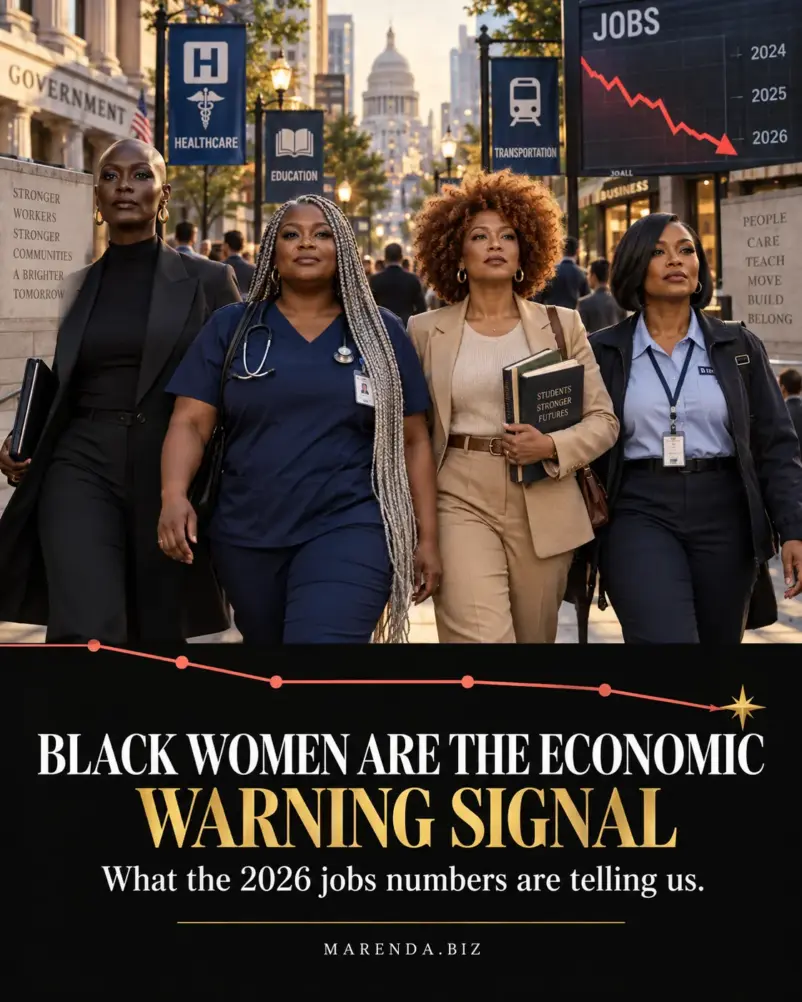
If employment uncertainty is part of your decision, begin with Black Women Are the Economic Warning Signal: What the 2026 Jobs Numbers Are Telling Us.
Read What Does the Money Need to Do? and identify the financial assignment behind your reinvention.
Then complete the three-column exercise:
- What will you carry forward?
- What will you change?
- What will you create?
Choose one possibility to test for 30 days.
Your history brought you here. Your next decision determines where it can take you.
Sources and Further Reading
U.S. Equal Employment Opportunity Commission: Age Discrimination in Employment Act of 1967